Grandma Bunny Retro SVG Review
As a designer who spends more time staring at stitch density charts and fabric swatches than actually drinking coffee, I approach every new digital asset with a healthy dose of skepticism. The market is flooded with generic clip art, but finding a design that balances aesthetic charm with technical viability for embroidery is rare. Recently, I pulled Grandma Bunny Retro SVG into my workflow to test its potential for real-world application. This isn't just another cute graphic; it is a T-Shirt Designs category asset that demands respect if you want your finished product to look professional rather than amateurish.
My goal was simple: determine if this Graphics file holds up when translated from a flat vector screen to three-dimensional thread on fabric. I wanted to see how it performs as a commercial asset for small business owners, Etsy sellers, and crafters who need reliable designs that sell. Here is my honest breakdown of the mood, mechanics, and marketability of Grandma Bunny Retro SVG.
The First Impression: Mood and Visual Personality
When I first opened the file, the immediate takeaway was nostalgia. The "Retro" aspect of the title is not just a buzzword here; it is embedded in the line work and composition. It evokes a specific era—think mid-century modern meets cozy cottage core. For an embroidery project, this mood is incredibly potent. It suggests warmth, comfort, and heritage, which are powerful emotional triggers for buyers.
Visually, the design avoids the trap of being overly complex. In machine embroidery, complexity often equals frustration. Grandma Bunny Retro SVG strikes a balance. It has enough detail to be interesting but retains clean negative space that allows the fabric texture to breathe. It feels like a design meant to be framed or worn with pride, rather than something hidden away. This visual personality makes it versatile for various products, from nursery decor to boutique apparel.
Real-World Application: Where Does It Fit?
I took this design through several hypothetical (and actual) production scenarios to see where it shines. The versatility of this machine embroidery design is its strongest selling point.
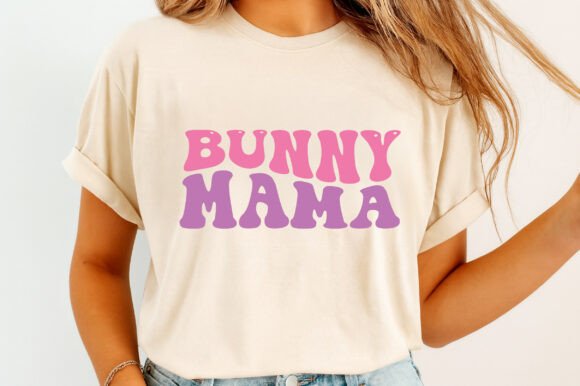
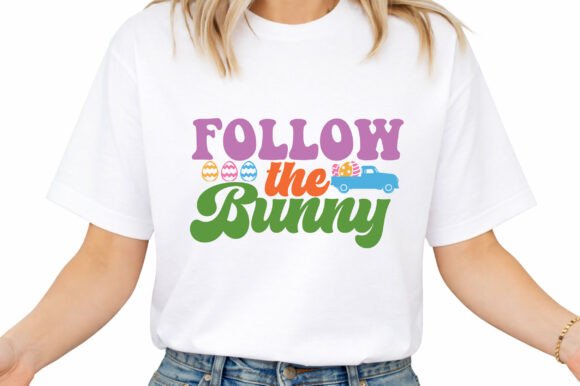
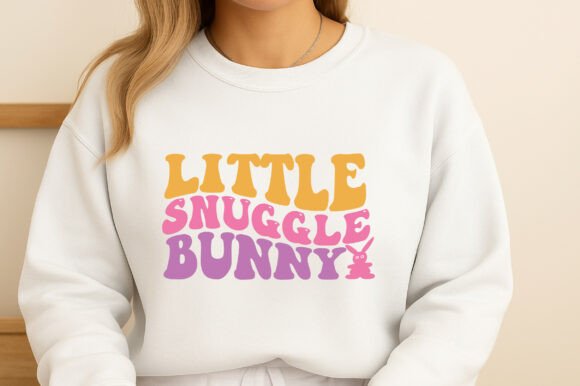
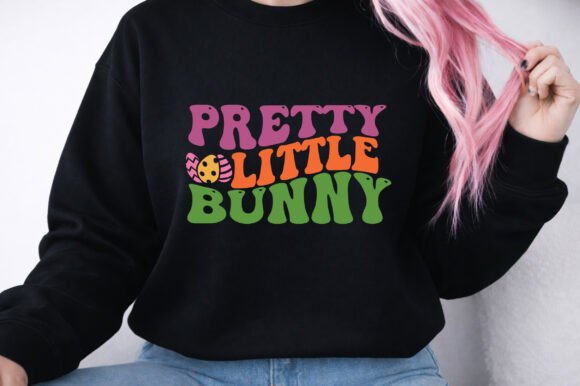
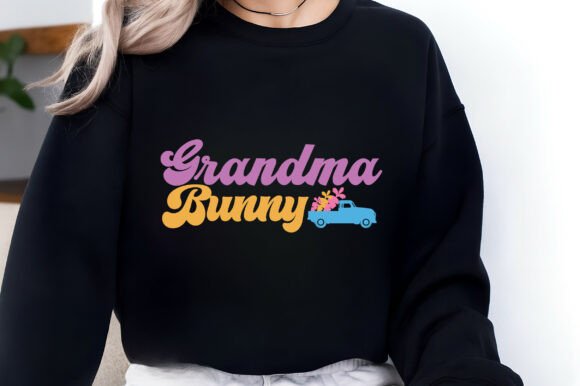
- Custom Apparel: On a sweatshirt or t-shirt, this design works beautifully as a chest-sized logo or a larger back print. The retro vibe pairs exceptionally well with vintage-wash cottons or heather grey blends. It adds character without overwhelming the garment.
- Home Decor: I envisioned this on a kitchen towel or a pillow cover. The theme fits perfectly in a farmhouse-style kitchen. When stitched onto a tea towel, the contrast between the thread and the linen-like fabric enhances the handmade appeal.
- Baby and Nursery Items: This is perhaps the most lucrative angle. A baby onesie or a crib blanket featuring Grandma Bunny Retro SVG taps into the gifting market. Parents love personalized gifts that feel timeless. The softness implied by the design translates well to delicate fabrics used in baby products.
- Accessories: An embroidered patch on a tote bag design or a cap can elevate a basic item into a statement piece. The design’s compact nature means it doesn’t require a massive hoop size, making it accessible for smaller machines.
For the Etsy seller or small shop product creator, this design offers multiple revenue streams. You aren't limited to one product type. You can create a cohesive collection using the same visual language across different items, which strengthens brand consistency.
Technical Performance and Stitching Considerations
Here is where we get practical. A pretty picture on a screen does not always translate to a successful stitch-out. When evaluating this as an embroidery file, several technical factors come into play.
Stitch Density and Detail: The design appears to rely heavily on clean lines, which likely utilizes satin stitches for outlines and fill stitches for solid areas. However, designers must be wary of tiny details. If the original vector includes minute text or very fine inner lines, these may clump together during stitching, resulting in a muddy appearance. Always inspect small details before committing to production.
Fabric Compatibility: This design will perform best on stable, medium-weight fabrics. Cotton, denim, and canvas are ideal candidates. Avoid stretchy knits unless you use heavy-duty stabilizer, as the tension required for the fill stitches could pucker the fabric. Similarly, textured fabrics like bouclé or thick wools might obscure the finer lines of the artwork, reducing clarity.
Thread Colors: The retro palette suggests muted tones—mustard yellows, dusty blues, or terracotta oranges. These colors look sophisticated in thread. However, ensure you have sufficient contrast against your chosen fabric. A light-colored bunny on white fabric will disappear; dark thread on black fabric requires careful underlay selection to pop.
Where to Use Caution
While versatile, there are scenarios where Grandma Bunny Retro SVG might struggle:
- Small Hoop Sizes: If you attempt to digitize or scale this down too far, you risk losing definition. Tiny lettering or intricate corners may become indistinguishable blobs of thread.
- Dense Stitch Areas: If the design contains large blocks of fill stitch, ensure your machine can handle the needle penetration rate. Excessive density can lead to needle breakage or fabric distortion.
- Curved Surfaces: While great for flat panels, applying this to a curved surface like a baseball cap requires precise hooping techniques. Misalignment can ruin the symmetry of the bunny’s face or ears.
- Frequent Washing: For items like aprons or kitchen towels that undergo frequent laundering, ensure the design is stabilized properly. Loose threads can snag, so a final trim and heat setting are essential for durability.
Impact on Product Value and Customer Trust
In the world of handmade goods, presentation is everything. Using a high-quality design like Grandma Bunny Retro SVG signals professionalism. It tells the customer that you care about the integrity of your work. A well-executed embroidery project builds trust faster than any marketing copy.
Furthermore, the unique aesthetic of this design helps your product stand out in a crowded marketplace. Generic designs blend in; distinctive, mood-driven designs get saved, shared, and purchased. For the creative entrepreneur, this means higher conversion rates and potentially lower return rates because the product matches the buyer’s expectations set by your printable mockups.
Practical Designer Notes for Success
Before you start producing, follow these steps to ensure success:
- Test on Scrap Fabric: Never run a full production batch without a test stitch-out. Check for tension issues, color clashes, and registration accuracy.
- Review Stitch Density: Look at the digitizing code if possible. Ensure the underlay is sufficient to hold the fabric in place without distorting the shape.
- Check Licensing: As a commercial embroidery asset, verify the license terms. Can you sell the finished physical goods? Can you distribute the digital file? Clear licensing protects your business.
- Use Proper Stabilizer: Match your stabilizer to your fabric. Tear-away for wovens, cut-away for knits, and hooping film for difficult materials.
- Black and White Mockup: Convert your design to grayscale to check contrast levels. If it looks weak in monochrome, it will likely look weak in color.
Ultimately, Grandma Bunny Retro SVG is a strong contender for anyone looking to add a touch of nostalgic charm to their inventory. It is technically sound, aesthetically pleasing, and commercially viable. By respecting its limitations and leveraging its strengths, you can create finished products that customers will cherish. Whether you are making a personalized gift for a friend or building a brand-new line of boutique clothing, this design deserves a spot in your library. Just remember: good design starts with preparation, and preparation starts with testing.