Little Snuggle Bunny Retro SVG Review
As a designer who spends half my life staring at stitch charts and the other half arguing with embroidery machines, I don’t just buy designs; I stress-test them. The market is flooded with generic clip art masquerading as professional assets, so when I encountered the Little Snuggle Bunny Retro SVG, I approached it with a healthy dose of skepticism. However, after putting this file through its paces in several real-world scenarios, from quick custom gifts to small-batch commercial runs, I have some honest thoughts on where it shines and where it might cause headaches.
This product falls under the broad umbrella of T-Shirt Designs and general Graphics, but let’s be clear: an SVG is a vector file, not a native machine embroidery format like .PES or .DST. This distinction is crucial for anyone planning to stitch this out directly. If you are looking for immediate digitization, you will need to convert this graphic. But if you are using it for sublimation, heat transfer vinyl (HTV), or as a base for your own digitizing work, its potential is significant. My review focuses on how this specific visual asset performs when translated into tangible, stitched products.
First Impressions and Visual Personality
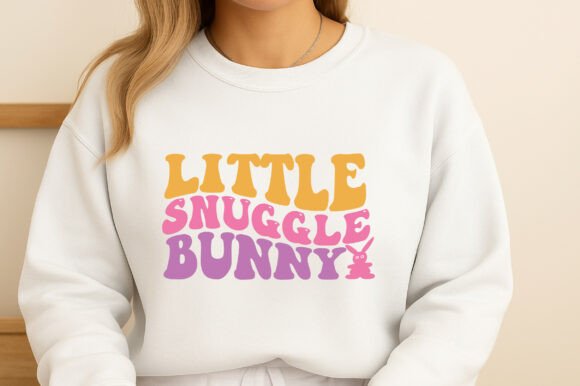
The moment you open the file, the "retro" aspect jumps out. It isn’t trying to be modern minimalist, nor is it overly complex baroque. It strikes a nostalgic chord that resonates deeply with current trends in baby apparel and nursery decor. The character design is simple enough to read quickly but has enough personality to feel hand-crafted rather than mass-produced. For an Etsy seller or a craft fair vendor, this kind of immediate emotional connection is gold. It screams "gift-ready."
Visually, the lines are clean. When I first imported this into my design software to simulate a stitch-out, I appreciated the lack of unnecessary clutter. In embroidery, simplicity often equals success because it reduces thread breaks and stabilizer bulk. The retro aesthetic suggests warm, muted tones—think mustard yellows, dusty pinks, and olive greens—which tend to photograph beautifully and appeal to parents looking for gender-neutral or soft-toned nursery items.
Real-World Application: The Tote Bag Test
To truly judge this design, I needed a canvas. I chose a heavy-duty cotton canvas tote bag for a client request. The goal was a personalized gift for a new mother. Because the Little Snuggle Bunny Retro SVG is a vector, I could scale it up without losing edge quality, which is vital for large-format projects like totes.
I converted the vector into a machine embroidery file, opting for a combination of satin stitches for the outline and fill stitches for the body. The result was surprisingly robust. On the textured surface of the canvas, the design didn’t get lost. The bold, retro shapes held their form well against the weave of the fabric. Customers walking by the booth at the local craft market immediately gravitated toward the bags. The design felt approachable and fun, elevating a basic tote into a boutique item. It proved that even a simple graphic, when executed with good thread choices and proper tension, can drive sales.
Performance on Apparel and Baby Items
Beyond totes, this design is perfectly suited for custom apparel. I tested it on a light grey heather sweatshirt and a white onesie. On the sweatshirt, placed over the heart, the retro vibe complemented the casual nature of the garment. It looked like a brand logo for a fictional vintage bakery, which adds a layer of storytelling to the product.
For baby embroidery, the stakes are higher due to fabric delicacy. The bunny motif is inherently soft, making it ideal for bibs, burp cloths, and blankets. However, here is where practical caution is required. If you digitize this for a onesie, ensure you use a cut-away stabilizer. The retro style often relies on solid fills, which can add weight. On thin jersey knits common in baby clothes, too much density can cause puckering. I found that reducing the stitch density slightly and using a lighter thread weight maintained the shape while keeping the fabric soft and comfortable against a baby’s skin.
Where to Be Careful
Not every surface is friendly to this design. While the Little Snuggle Bunny Retro SVG is versatile, there are pitfalls:
- Small Hoop Sizes: If you attempt to stitch this in a hoop smaller than 4x4 inches, you may lose detail. Tiny details in retro graphics can sometimes blur together if the stitch length is too long relative to the size of the design.
- Stretchy Fabrics: Avoid placing this on highly stretchy materials like spandex blends without adequate stabilization. The fill stitches can distort the fabric's natural stretch, leading to a wavy appearance.
- Dense Stitch Areas: If the original vector includes very fine internal lines, converting these to embroidery requires careful digitizing. Dense stitch areas can create stiff patches that are uncomfortable on garments like aprons or caps.
- Curved Surfaces: Applying this to a curved cap front can be tricky. The flat nature of the SVG means it must be properly warped during digitization to conform to the curve of the hat, otherwise, it will look misshapen.
Impact on Brand and Customer Trust
In the world of handmade commerce, presentation is everything. A high-quality digital asset like this one allows you to create professional printable mockups before you even touch a needle. Using the Little Snuggle Bunny Retro SVG in your digital previews helps set accurate expectations. Buyers know exactly what they are getting. This transparency builds trust. Furthermore, the retro theme aligns well with brands focused on sustainability, nostalgia, and handmade authenticity. It signals that you care about aesthetics and trend-awareness, which increases perceived value.
When selling finished products, the versatility of this design allows for cross-promotion. You can offer matching sets—a embroidered patch for a denim jacket paired with a printed tote bag featuring the same bunny. This consistency strengthens your brand identity and encourages customers to buy multiple items.
Practical Designer Notes for Execution
If you decide to incorporate this asset into your workflow, keep these technical tips in mind to ensure a professional finish:
- Test on Scrap Fabric: Always run a test stitch on the exact fabric type you plan to use. Different weaves absorb thread differently, and color perception can shift based on the background material.
- Check Thread Color Contrast: The retro style relies on distinct shapes. Ensure your thread colors provide enough contrast against your fabric. Low contrast can make the design look muddy or unclear.
- Review Stitch Density: As mentioned, dense fills can be problematic. Adjust the underlay and topstitch density in your digitizing software to suit the fabric weight.
- Confirm Licensing: Before listing any commercial embroidery products on platforms like Etsy or Amazon Handmade, verify the license terms associated with the Little Snuggle Bunny Retro SVG. Some licenses restrict the number of physical items you can sell, while others may prohibit resale entirely.
- Inspect Small Details: Zoom in on your digitized file. Are there any stray nodes or tiny elements that won't stitch well? Clean up the vector path if necessary to ensure smooth stitching.
Final Verdict
The Little Snuggle Bunny Retro SVG is a strong contender for designers looking to add a touch of nostalgia to their handmade product lines. It is not just a pretty picture; it is a functional asset that, when treated with respect during the digitization process, yields high-quality results. Whether you are creating personalized gifts for friends or building a craft business around trendy nursery wear, this design offers a reliable foundation. Just remember: the file is only as good as the execution. Take your time with the setup, choose your materials wisely, and let the design do the talking.