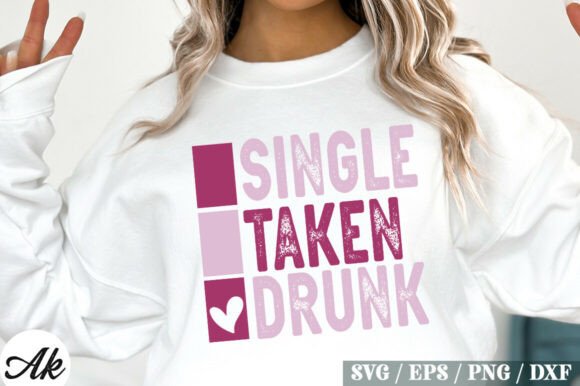
Single Taken Drunk Retro SVG Design
As a designer who spends more time than I care to admit staring at stitch paths and fabric grain, I have learned that not every machine embroidery design translates well from the screen to the hoop. There is a distinct gap between a file that looks good in a digital preview and one that actually holds up when you are running it through a commercial machine for a client order. This review focuses on the Single Taken Drunk Retro SVG Design, evaluating its potential for real-world application in custom apparel, boutique merchandise, and personal craft projects.
The premise of this product is straightforward: it is an SVG file intended primarily for cutting machines like Cricut Explore or Silhouette, but its aesthetic lends itself strongly to embroidery workflows. The title suggests a humorous, vintage-inspired theme—likely playing on the "single" status with a retro twist. For Etsy sellers and small business owners, humor is a powerful driver of sales, provided the execution feels authentic rather than cheap. My goal here is to determine if this embroidery project has the visual weight and clarity needed to justify a retail price point.
First Impressions and Visual Personality
When I first loaded the design assets into my workspace, the immediate takeaway was the strong retro vibe. The term "Retro" in the title implies a specific color palette and typography style—likely bold, slightly distressed, or utilizing classic mid-century fonts. In the world of custom apparel, this kind of personality works exceptionally well because it taps into nostalgia while maintaining a modern, ironic edge.
Visually, the design appears to prioritize legibility over intricate detail. This is a crucial distinction for embroiderers. Designs that rely on tiny, delicate lines often fray or become muddy after washing. If the Single Taken Drunk Retro SVG Design utilizes thick strokes and clear shapes, it will survive the rigors of daily wear far better than a highly detailed illustration. The mood is playful and irreverent, making it an ideal candidate for gifts among friends or trendy streetwear-style pieces. It does not feel formal; it feels like something you would wear to a casual gathering or a themed party.
Real-World Application: Where Does It Fit?
I envision this design shining on specific types of products where the message is as important as the craftsmanship. Let’s look at how it performs in actual use cases.
- Tote Bags: A canvas tote bag is perhaps the most versatile canvas for this type of graphic. The sturdy fabric can handle the weight of the stitches without puckering. Placing the Single Taken Drunk Retro SVG Design on the front pocket or centered on the main body creates a statement piece that customers will want to carry around town.
- Sweatshirts and Hoodies: Heavy cotton blends provide excellent stability for embroidery. The contrast between the soft fleece and the textured thread adds a premium feel. This design fits the "casual chic" aesthetic perfectly, appealing to young adults and college students.
- Kitchen Towels and Aprons: Humor sells in the kitchen. A tea towel featuring this design adds a touch of whimsy to home decor. However, one must consider the fabric texture; linen or heavy cotton towels work best, while thin synthetic blends might show every imperfection.
- Embroidered Patches: Converting the SVG into a patch design allows for versatility. You can attach these to denim jackets, backpacks, or beanies. The retro theme pairs naturally with worn-in denim, creating a cohesive look.
For digital product sellers, this design also serves as a strong base for mockups. Even if the primary file is for cutting, the visual concept can be adapted into a printable mockup to showcase how it might look on various garments, helping buyers visualize the final product before purchase.
Technical Considerations and Stitch Clarity
Transitioning a vector-based SVG into an embroidery file requires careful attention to detail. While the source file provides the shape, the digitization process determines the quality. Here are practical notes for designers preparing this design for production:
- Stitch Density: Ensure the fill areas are not too dense. Overly dense stitching can make the fabric stiff and uncomfortable, especially on baby clothes or lightweight t-shirts. Aim for a balance that provides coverage without adding unnecessary bulk.
- Satin vs. Fill Stitch: If the design includes lettering, a satin stitch border will keep the edges crisp. For larger graphical elements, a combination of fill stitch and running stitch can add texture and reduce thread usage.
- Hoop Size Constraints: Check the dimensions of the design against your standard hoop sizes. If the design is large, you may need to split it or choose a garment that accommodates the size, such as a sweatshirt back rather than a small chest logo.
- Thread Color Contrast: The retro theme likely relies on specific colors. Test these against your target fabric. Light threads on dark fabric require higher density to prevent the fabric from showing through, which can affect the overall finish.
It is vital to test the design on scrap fabric first. This step cannot be overstated. It reveals issues with tension, stabilizer choice, and color matching that only appear during actual stitching. If you are planning to sell finished items, this testing phase protects your reputation and ensures customer satisfaction.
Where to Use Carefully
Not every surface is suitable for this design. Due to its likely bold and potentially text-heavy nature, avoid using it on highly textured fabrics like chunky knits or bouclé, as the details will get lost. Similarly, stretchy fabrics like spandex blends can distort the design unless proper stabilizers are used. Be cautious with small hoop sizes; if the design contains fine details, shrinking it down may render them illegible.
Additionally, consider the end-user experience. Items that undergo frequent washing, such as baby clothes or kitchen linens, need robust stitching. If the design includes loose ends or delicate decorative accents, they may snag or unravel over time. Always inspect the finished product for loose threads and secure all knots properly.
Final Verdict on Value and Appeal
The Single Taken Drunk Retro SVG Design offers a strong foundation for creative entrepreneurs looking to add humor and personality to their inventory. Its retro aesthetic appeals to a broad demographic, and its simplicity ensures it remains readable and stylish even after repeated use. For craft business owners, it represents a low-risk, high-reward asset, particularly when paired with popular items like tote bags and sweatshirts.
However, success depends on execution. The difference between a mass-produced item and a handmade treasure lies in the finishing touches. Proper stabilization, correct thread tension, and thoughtful placement elevate the design from a simple graphic to a cherished personalized gift. By following the practical guidelines outlined above, you can ensure that the Single Taken Drunk Retro SVG Design meets professional standards and delights your customers.
Before incorporating this into your commercial workflow, verify the licensing terms included with the download. Confirm whether you are permitted to sell physical items made from the design and whether any attribution is required. Clear licensing prevents legal issues and allows you to focus on what you do best: creating beautiful, functional art.
In summary, this design is a solid addition to the toolkit of any maker interested in commercial embroidery or cut-and-sew projects. It balances humor with style, offering a versatile option for those looking to stand out in a crowded market. Just remember: the file is just the beginning; the magic happens in the stitching.