I Was Normal for Kids Ago Retro SVG Desi
When I pull a new design file into my embroidery software, I am not just looking at pixels or vector paths. I am visualizing the needle movement, the tension of the thread, and the final texture on fabric. Most designers skip this step, but as someone who reviews digital assets for real-world application, I know that a pretty picture does not always translate to a clean stitch-out. Today, I am evaluating I Was Normal for Kids Ago Retro SVG Desi, a graphic categorized under T-Shirt Designs and Graphics. My goal is to determine if this asset holds up in a professional craft business environment or if it remains strictly a novelty item.
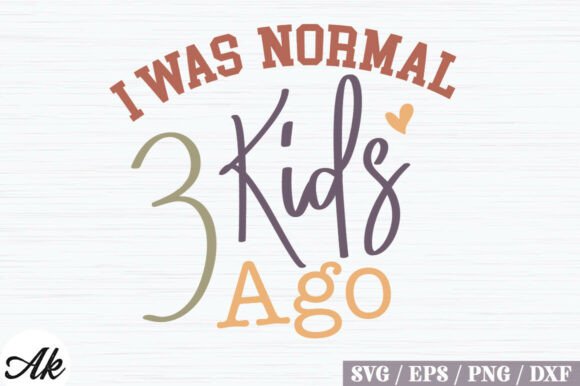
The phrase "I Was Normal" paired with a retro aesthetic immediately signals a specific mood: nostalgic, slightly ironic, and playful. In the current market for handmade products, humor and relatability drive engagement. This design feels like it belongs in the realm of casual wear or cozy home goods rather than formal attire. The retro vibe suggests a vintage color palette or distressed typography style, which can add character but also introduces technical challenges during digitization. Before committing to a full production run, I need to understand how this design behaves when stitched out on various materials.
First Impressions and Visual Personality
The first thing that strikes me about I Was Normal for Kids Ago Retro SVG Desi is its potential for storytelling. It is not merely decorative; it carries a message. For an embroiderer, text-based designs are high-risk, high-reward. If the lettering is too thin or the kerning is off, the embroidery will look muddy. However, if executed well, a bold statement piece like this becomes a conversation starter. The "Desi" element in the title hints at cultural influences, perhaps suggesting intricate patterns or specific typographic styles that blend traditional motifs with modern slang. This fusion can be powerful for boutique branding, creating a product that feels both contemporary and rooted in heritage.
Visually, the design likely balances negative space with dense elements. In embroidery, negative space is your friend because it reduces thread usage and prevents puckering. If the retro theme relies on heavy fill stitches, I would be cautious about using it on lightweight fabrics. Conversely, if the design uses open lines and running stitches, it could work beautifully on delicate cottons or linens. The overall personality of the asset feels confident and unapologetic, which aligns perfectly with the current trend of personalized gifts that express individuality.
Real-World Application: From Screen to Stitch
Let’s imagine a practical scenario. You are preparing a batch of custom embroidered tote bags for a local craft fair or an Etsy shop launch. You want a design that appeals to a broad audience but stands out on social media. I Was Normal for Kids Ago Retro SVG Desi fits this niche exceptionally well. A tote bag made of sturdy canvas provides the perfect stabilizer base for this kind of graphic. The weight of the fabric supports the thread density, ensuring the design lies flat and looks crisp.
Beyond tote bags, this design has strong potential for sweatshirt embroidery. The chest pocket area or the back yoke of a hoodie is an ideal placement for a medium-sized retro graphic. The nostalgia factor resonates deeply with millennials and Gen Z consumers who value authenticity. Additionally, consider baby clothes. While the phrase might seem mature, a softened version or a pastel thread palette could make it a trendy item for parents who appreciate dry humor. A onesie with this design, stitched in soft cotton thread, would be a hit at baby showers or as a holiday gift.
However, the versatility of this SVG means you should also explore non-apparel applications. Kitchen towels, aprons, and pillow covers are excellent candidates. The durability required for kitchen items matches the robust nature of many retro designs. If the graphic includes decorative accents, such as floral borders or geometric shapes common in Desi art, these details can elevate a simple tea towel into a premium home decor item. The key is to match the thread colors to the fabric texture. On a dark linen apron, metallic or bright threads can make the retro elements pop, whereas on white muslin, subtle tonal stitching might convey a more sophisticated, understated elegance.
Technical Considerations and Risk Areas
While the concept is strong, every designer knows that execution is everything. There are several areas where I Was Normal for Kids Ago Retro SVG Desi requires careful handling. First, pay attention to small details. Retro fonts often feature sharp serifs or intricate cutouts. If these elements are too fine, they may get lost in the stitch or cause thread breaks. Always inspect the design at 100% zoom before sending it to the machine. If the detail level is questionable, consider simplifying the vector or increasing the stroke width in your digitizing software.
Fabric choice is another critical factor. Stretchy fabrics like jersey knits can distort the design if not stabilized properly. For t-shirts and sweatshirts, use a tear-away or wash-away stabilizer to maintain the integrity of the shape. Textured fabrics, such as boucle or heavy tweed, can hide the precision of satin stitches. If you are aiming for a clean, professional finish, stick to smooth weaves like cotton twill or denim. Dark fabrics present their own challenge: contrast. Ensure that your thread selection provides enough visibility against the background. A light gray thread on a black shirt might disappear, ruining the impact of the message.
Another risk area is hoop size. If the design is large, you need a sufficiently large hoop to accommodate it without awkward re-hooping. Re-hooping can lead to registration errors, where the second side of the design does not align perfectly with the first. This misalignment is immediately noticeable and can damage customer trust. Check the dimensions of the SVG file against your machine’s maximum hoop capacity. If the design exceeds standard limits, you may need to split it into sections or choose a smaller garment size.
Practical Designer Notes for Success
- Test on Scrap Fabric: Never assume a design will stitch out perfectly. Always run a test on the same type of fabric and thread you plan to use for the final product. This reveals issues with tension, density, or color clashes early.
- Check Stitch Density: High-density fills can cause puckering on lightweight materials. If the design feels too heavy, reduce the density settings in your software or switch to a lighter stitch type, such as a combination of fill and running stitch.
- Review Color Contrast: Create a black-and-white mockup of your design. If the image loses definition in grayscale, it will likely struggle in embroidery due to limited thread shading options.
- Confirm Licensing: Since this is a digital product intended for sale, verify the license terms. Some SVG files are for personal use only. To sell finished products, you typically need a commercial license. Ignoring this can lead to legal issues and account bans on platforms like Etsy.
- Use Proper Stabilizer: The right stabilizer makes the difference between a professional finish and a sloppy one. Match the stabilizer weight to the fabric weight for optimal support.
Final Verdict on Design Value
Evaluating I Was Normal for Kids Ago Retro SVG Desi through the lens of a professional embroiderer, I see a design with significant commercial potential. Its strength lies in its emotional resonance and adaptability across multiple product categories. Whether used for custom apparel, personalized gifts, or boutique merchandise, it offers a unique selling proposition that appeals to buyers seeking something beyond generic templates.
The retro aesthetic ensures longevity in trends, while the humorous text adds a layer of shareability. Social media users love to post photos of funny or relatable clothing, providing free marketing for your shop. However, success depends entirely on your technical execution. By respecting the limitations of embroidery—such as stitch density, fabric stretch, and detail resolution—you can transform this digital graphic into a tangible, high-quality finished product.
For Etsy sellers and craft business owners, this asset is worth integrating into your workflow. It allows for rapid prototyping of new collections, from holiday-themed gifts to everyday carry essentials. Just remember to prioritize quality control. A well-stitched design builds brand consistency and customer trust, while a poorly executed one can deter repeat buyers. Take the time to refine the digitization, select appropriate materials, and present your work professionally. When done correctly, I Was Normal for Kids Ago Retro SVG Desi can become a standout item in your inventory, bridging the gap between digital creativity and tactile craftsmanship.