Classic Wooden Slingshot Embroidery Review
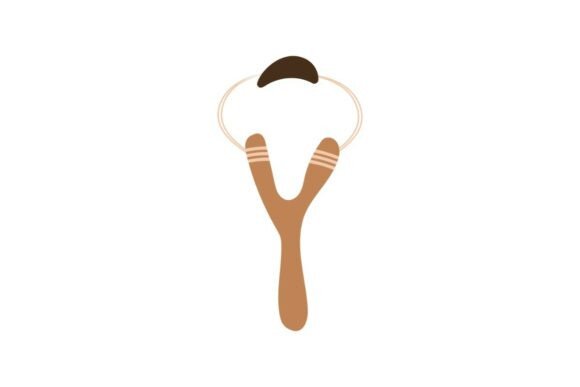
When you are scrolling through a library of digital assets, looking for that one graphic that balances nostalgia with commercial viability, it is easy to get lost in the noise. As a designer who spends hours evaluating files before they ever hit my machine, I look for more than just a pretty picture. I look for stitchability, market fit, and emotional resonance. Recently, I pulled Classic Wooden Slingshot from the Crafts category into my workflow to see if it truly holds up as a viable asset for real-world projects. This Graphics download promises a nostalgic illustration of a wooden slingshot with a rubber band, capturing the spirit of mischief and outdoor adventure. But does it translate well when converted into thread? Let’s break down the practical implications for your next embroidery project.
First Impressions: Mood and Visual Personality
The immediate appeal of this design lies in its thematic clarity. It isn’t just a random toy; it is a symbol of childhood summers, backyard adventures, and a certain rugged simplicity. For an embroidery designer, this visual personality is gold. It immediately suggests specific demographics and use cases. When I first opened the file to preview the layout, I noticed how the shape naturally lends itself to a centered composition. The silhouette of the Y-shaped wood and the tension of the rubber band create a strong focal point that reads clearly even at smaller scales.
This isn’t a design that relies on hyper-realistic shading to work. Instead, it leans into bold lines and distinct shapes, which is exactly what makes it suitable for a wide range of stitching techniques. Whether you are approaching this as a simple applique design or breaking it down into satin stitch outlines and fill stitch textures, the underlying structure is sound. It feels like a piece that belongs in a collection of vintage-inspired motifs, ready to be paired with typography for a complete apparel design.
Real-World Application: From Screen to Stitch
I decided to test Classic Wooden Slingshot in a scenario that mirrors what many small business owners face daily: creating a cohesive line of handmade products for a craft fair or an Etsy shop. My primary test case was a custom embroidered tote bag intended for parents looking for unique gifts for their children. The juxtaposition of a sturdy canvas tote with a playful, retro graphic felt like a natural fit for a boutique brand focused on outdoor-loving families.
In terms of stitching performance, the design held up remarkably well. Because the original graphic is illustrative rather than photographic, it translates cleanly into a machine embroidery design. I found that using a combination of satin stitches for the outline of the wooden frame and a light fill stitch for the rubber band created excellent texture contrast. On a neutral-colored cotton canvas, the design popped without feeling heavy. However, I also tested it on a black sweatshirt for a "retro summer camp" theme. Here, the choice of thread colors became critical. A bright yellow or orange thread for the rubber band against a dark background provided the necessary pop, while the wooden tones needed to be slightly desaturated to avoid looking muddy on dark fabric.
This versatility extends beyond bags. I envision this embroidery file performing beautifully on baby onesies for a gender-neutral nursery collection, or perhaps as part of a set of matching kitchen towels for a hostess gift. The theme of outdoor adventure resonates across multiple product categories, from sweatshirt embroidery to aprons for gardening enthusiasts. It has that universal charm that appeals to both the child receiving the gift and the adult purchasing it.
Where Caution Is Required
No design is perfect for every surface, and Classic Wooden Slingshot is no exception. There are specific scenarios where this graphic might struggle, and knowing these pitfalls is what separates a professional result from a amateur one.
- Small Hoop Sizes: While the design is scalable, shrinking it too far can cause the details of the rubber band attachment to merge. If you are working in a 4x4 hoop or smaller, ensure the resolution is high enough to maintain the integrity of the curves.
- Textured Fabrics: Placing this design on heavily textured fabrics like chunky knits or boucle can obscure the fine lines of the illustration. The uneven surface may prevent the needle from piercing cleanly, leading to skipped stitches or distorted shapes.
- Stretchy Fabrics: When embroidering on stretchy materials like jersey or spandex blends, proper stabilization is non-negotiable. Without a cut-away stabilizer, the tension of the stitch density could pucker the fabric, warping the Y-shape of the slingshot.
- Dense Stitch Areas: If you plan to add significant text below the graphic, be mindful of the total digitization. Overlapping dense areas can make the final finished product stiff and uncomfortable to wear, particularly on items like caps or hats where drape matters.
Design Notes for the Practical Maker
Before you commit this design to a production run or list it as a digital asset, there are several technical checks every designer should perform. First, always test the design on scrap fabric that matches the weight and weave of your final material. This allows you to inspect how the fabric texture interacts with the thread sheen.
Secondly, review the stitch density closely. While the graphic is simple, ensure that the digitizer hasn’t over-packed the satin stitches, which can lead to thread breaks or a bulky feel. If you are planning to use this for commercial embroidery, confirm the licensing terms explicitly. Some digital embroidery file licenses restrict the number of units you can sell, so protecting your craft business requires reading the fine print.
It is also wise to convert the design to grayscale and view it in black and white mockups. This helps verify that the contrast levels will hold up regardless of the color palette you choose. Does the wooden tone stand out against the background? Is the rubber band visible? These questions ensure that your personalized gift options remain visually striking under various lighting conditions.
Final Verdict: A Versatile Asset for Creative Entrepreneurs
Ultimately, Classic Wooden Slingshot is a strong addition to any designer’s library. It captures a specific mood—mischievous, nostalgic, and adventurous—that is highly marketable. It works exceptionally well for tote bag design projects, holiday embroidery gifts, and baby embroidery items that aim for a rustic aesthetic.
For the Etsy seller or small shop owner, this design offers flexibility. It can be used as a standalone statement piece or combined with other elements to create a larger scene. Its clean lines and clear subject matter make it accessible to a broad audience, increasing the likelihood of buyer engagement. Just remember to respect the technical limitations of the medium. By choosing the right stabilizer, testing your thread colors, and understanding the hoop size constraints, you can transform this simple graphic into a high-value handmade product.
If you are looking for a design that bridges the gap between cute and cool, one that feels timeless yet fresh, this is a solid choice. It doesn’t try to be everything to everyone; instead, it focuses on a single, evocative image and executes it with enough clarity to shine in thread. For anyone building a brand around outdoor living, childhood memories, or retro style, Classic Wooden Slingshot is worth the investment.